Venue Adaptations Reshaping Performance Trends Across Soccer Leagues, Equine Circuits, and Tennis Arenas
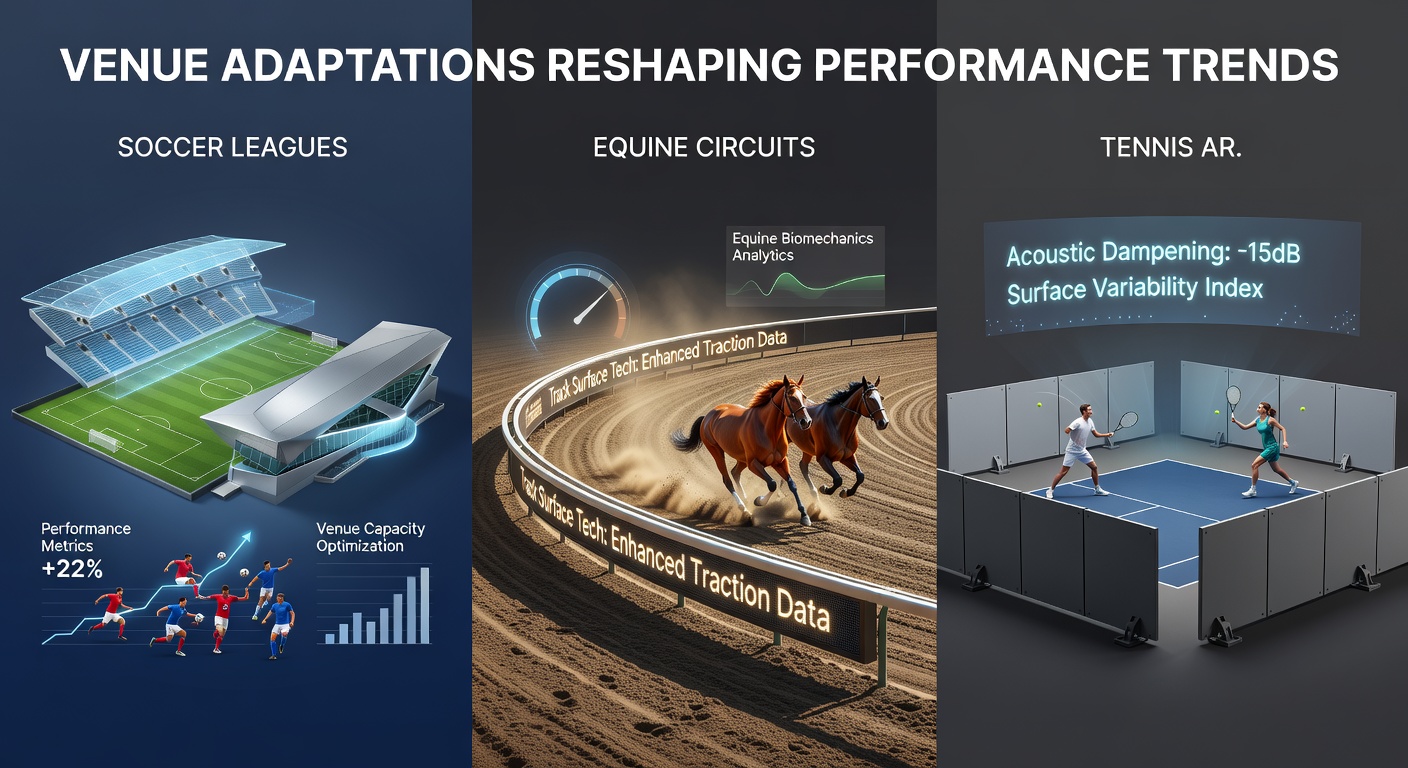
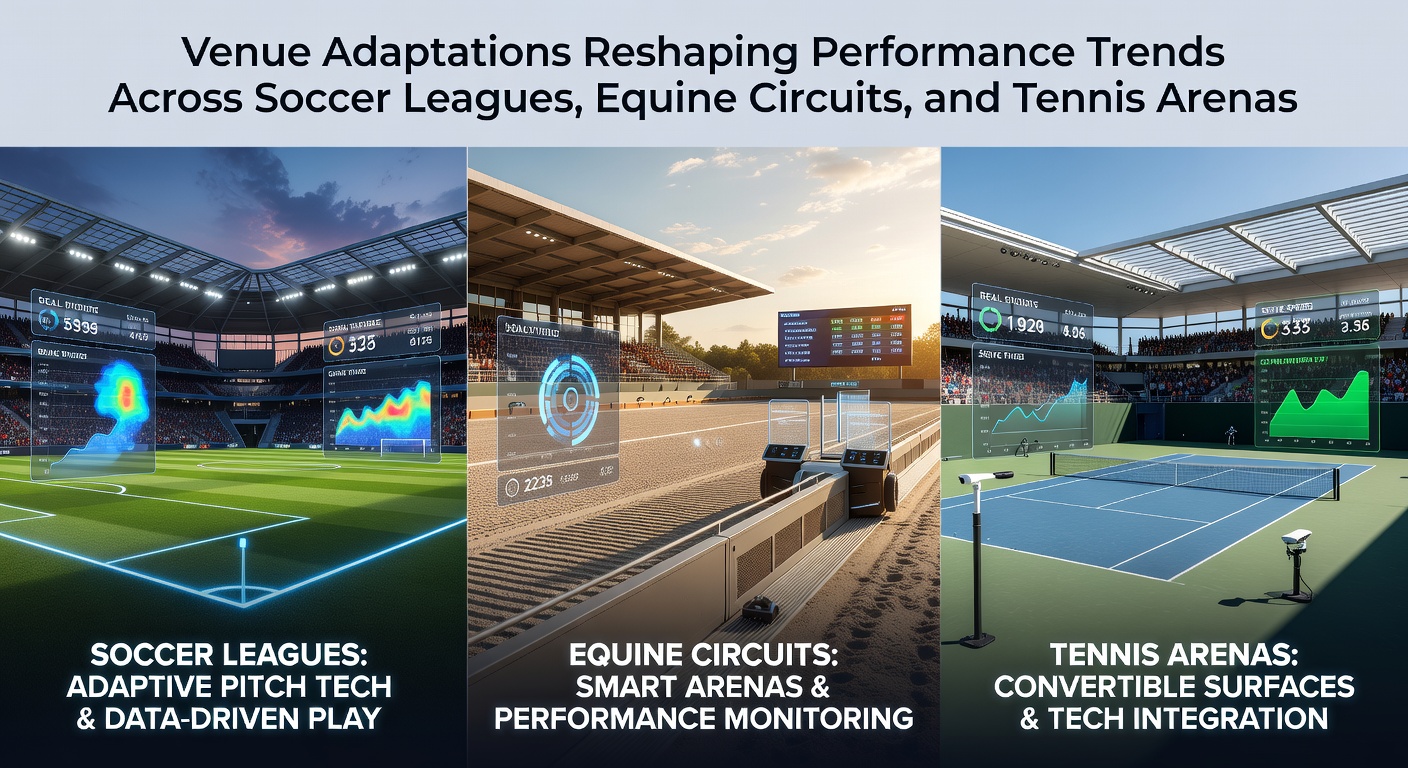 Venue adaptations have started to influence how athletes and animals perform in major sports around the world, with changes in stadium designs, surface materials, and environmental controls creating measurable shifts in game outcomes and training approaches. Soccer leagues have led much of this evolution through upgrades to playing surfaces and climate management systems, while equine circuits and tennis arenas have followed with their own modifications that address specific demands of speed, endurance, and precision. Data collected from multiple competitions shows these adjustments often produce faster recovery times for participants and alter traditional strategies that teams once relied upon.
Adjustments in Soccer Leagues
Several top European and South American divisions have introduced hybrid grass pitches combined with advanced drainage and cooling technologies, which maintain consistent ball roll and player traction even during extreme weather events. Studies from sports science centers indicate that such surfaces reduce injury rates related to slips and muscle strains by up to 18 percent compared with older natural turf installations. Leagues in warmer regions, including those in Australia and parts of the United States, have added retractable roof structures that allow matches to continue without heat-related performance drops, and figures from the 2025 season reveal fewer substitutions due to fatigue in covered venues.
These modifications also affect tactical choices, as coaches adjust formations to exploit more reliable footing that favors quicker transitions and sustained pressing. Observers note that clubs investing early in these adaptations often record higher possession percentages at away grounds where opposing teams encounter unfamiliar conditions for the first time. In May 2026 several new stadium projects across North America plan to debut similar systems ahead of expanded international tournaments, setting the stage for broader data collection on long-term effects.
Changes Across Equine Circuits
Horse racing tracks have undergone parallel updates, with many facilities replacing traditional dirt with synthetic or polymer-blended surfaces that provide more uniform cushioning and reduce the impact of rain on race times. Research conducted by veterinary universities in Europe and Canada demonstrates that these materials lower the incidence of tendon injuries while allowing horses to maintain higher average speeds over longer distances. Tracks in the Middle East and Asia have incorporated cooling mist systems and shaded paddock areas that help regulate body temperatures before races, leading to fewer scratched entries during summer meets.
Performance records from recent circuits show tighter finishing margins in events held on adapted tracks, as the consistent footing encourages jockeys to employ different pacing tactics than those suited to variable natural surfaces. Trainers report that horses transitioning between venues with these upgrades require shorter acclimation periods, which in turn supports denser racing schedules without compromising animal welfare standards. Such trends continue to inform facility planning for upcoming seasons.
Developments in Tennis Arenas
Tennis venues have focused on court surface consistency and climate control to standardize playing conditions across different tournaments. Hard courts with embedded cooling layers now appear at several ATP and WTA events, helping reduce ball speed variations caused by temperature swings and thereby supporting longer baseline rallies. Data compiled by international tennis federations indicates that indoor arenas equipped with humidity regulation systems produce fewer unforced errors during extended matches, particularly in tropical host cities.
Grass and clay courts have also seen incremental adaptations, such as improved irrigation and root-zone aeration techniques that extend playable periods and maintain grip levels. Players who compete regularly on these updated surfaces often display improved movement efficiency and recovery between points, according to biomechanical analyses from academic research groups. In preparation for the 2026 calendar, several venues have announced expansions of these technologies to accommodate growing spectator capacities while preserving competitive balance.
Broader Patterns and Future Outlook
Across all three sports, venue adaptations create feedback loops where performance data directly influences the next round of facility investments. Organizations ranging from the International Olympic Committee to regional sports ministries track these outcomes through standardized reporting frameworks that highlight both athletic and operational benefits. The integration of real-time monitoring sensors into surfaces and structures supplies coaches and trainers with precise metrics on how conditions affect speed, endurance, and decision-making under pressure.
These developments do not eliminate traditional skill differences but rather amplify the importance of preparation and adaptability. Athletes and teams that study venue-specific trends gain measurable edges, while governing bodies continue to refine guidelines that balance innovation with fairness. As more facilities come online through 2026 and beyond, the cumulative effects on competition styles and record progression will provide further material for analysis in each discipline.