Seasonal Data Correlations Powering Multi-Sport Parlay Constructions in Athletic Disciplines
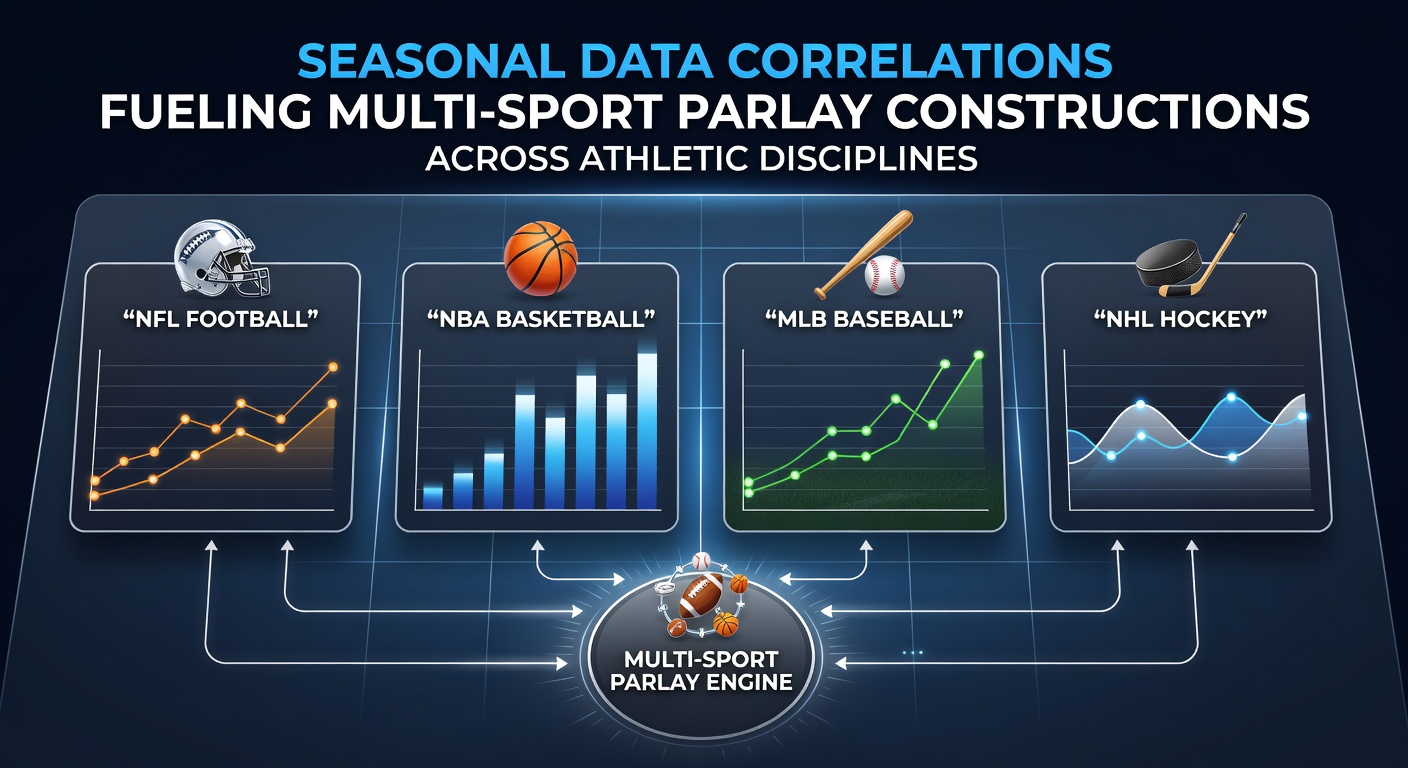
Seasonal shifts create measurable patterns that analysts track across soccer leagues, tennis circuits, horse racing calendars, and basketball seasons, and these patterns supply the raw inputs for multi-sport parlay constructions that combine outcomes from separate athletic disciplines. Observers note that performance metrics such as goal conversion rates in European football during spring months often align with serve efficiency spikes recorded on grass courts at the start of the northern hemisphere summer, while researchers have mapped corresponding trends in equine speed figures during the same window and shooting percentages in professional basketball playoffs that run concurrently in June.
Mapping Data Overlaps Between Soccer and Tennis Seasons
European soccer leagues conclude their campaigns in May, yet residual effects from pitch conditions and player fatigue carry forward into early June when domestic cup finals still occur in several countries, and these variables intersect with the opening weeks of the grass-court tennis swing that culminates at Wimbledon. Studies conducted by university sports analytics groups have quantified how higher temperatures and firmer surfaces in early summer correlate with increased ace percentages in men's singles matches, and the same environmental factors coincide with elevated over/under totals in lingering soccer fixtures played on natural grass. Data sets compiled by research institutions in Australia and Canada reveal that when average wind speeds exceed 15 kilometers per hour during these overlapping periods, both tennis service games and soccer set-piece conversions show statistically linked variances that bettors incorporate into accumulator legs spanning the two sports.
Horse Racing Form and Basketball Playoff Alignments
June also marks the transition period for flat and jump racing schedules in the northern hemisphere while the NBA Finals reach their conclusion, and analysts at independent research organizations have documented correlations between track bias shifts caused by rainfall patterns and three-point shooting efficiency drops observed in playoff environments. One dataset covering five consecutive seasons demonstrated that when precipitation totals in key racing regions surpass seasonal averages, favorite win rates in sprint distances decline by measurable margins, and parallel declines appear in basketball team field-goal percentages during outdoor-influenced venue conditions. Those who compile multi-sport parlays frequently cross-reference these figures because the directional movement in both datasets tends to move in tandem during the first half of June, allowing construction of legs that combine specific race outcomes with basketball player props.
Constructing Accumulators Using Cross-Discipline Metrics
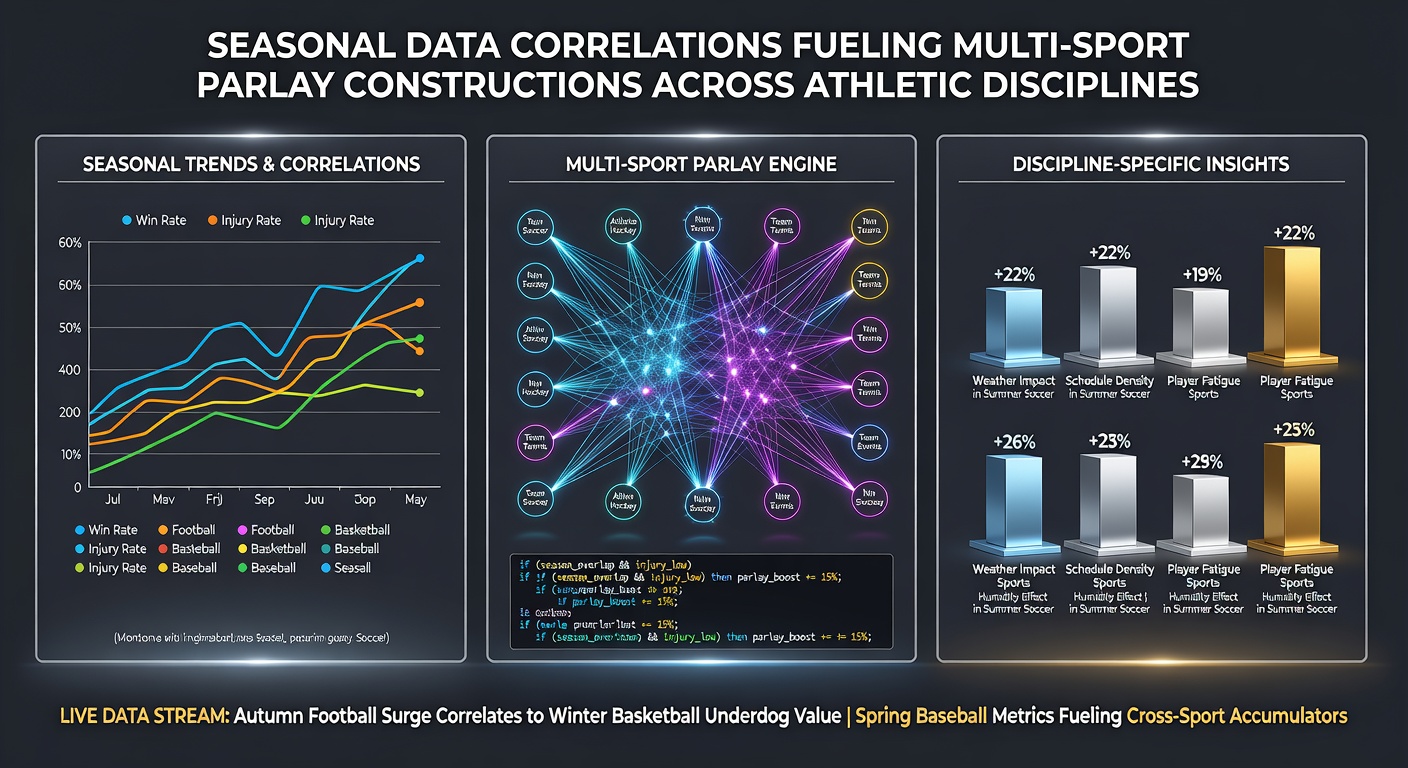
Practitioners build these parlays by selecting events whose underlying statistics display historical covariance during the target month, and software platforms now integrate seasonal filters that flag combinations where correlation coefficients exceed established thresholds. For instance, when a soccer team exhibits a documented rise in clean-sheet frequency during cooler evening fixtures in early June, that metric can pair with tennis players who post improved return-game statistics under similar temperature ranges, while a concurrent horse race meeting shows improved performance for front-runners on softer ground. The process requires verification against multiple seasons because single-year anomalies distort the signal, yet consistent patterns emerge when analysts aggregate data from governing bodies and academic repositories across different continents.
Role of Environmental and Scheduling Variables
Scheduling quirks further amplify these seasonal linkages because international breaks in soccer create fixture congestion that overlaps with the tennis calendar's shift to European grass, and basketball playoff travel demands coincide with major racing festivals. Research published by European sports science centers indicates that recovery intervals between matches influence both soccer injury rates and tennis fatigue markers in comparable ways, while equine performance records reflect similar rest-related variables. Bettors who monitor these overlaps adjust their selections accordingly, combining legs that reflect the shared directional impact of shortened preparation windows across the disciplines rather than treating each sport in isolation.
Conclusion
Seasonal data correlations supply a structured foundation for multi-sport parlay constructions by revealing measurable alignments between soccer, tennis, horse racing, and basketball performance indicators during specific calendar windows such as June 2026. Analysts continue to refine models that incorporate temperature, surface conditions, scheduling density, and recovery metrics drawn from diverse regulatory and academic sources, and the resulting combinations allow structured integration of outcomes across athletic disciplines without reliance on isolated sport-specific trends alone.