Linking Performance Data Across Soccer, Equine Sports, and Tennis to Sharpen Multi-Leg Betting Accuracy
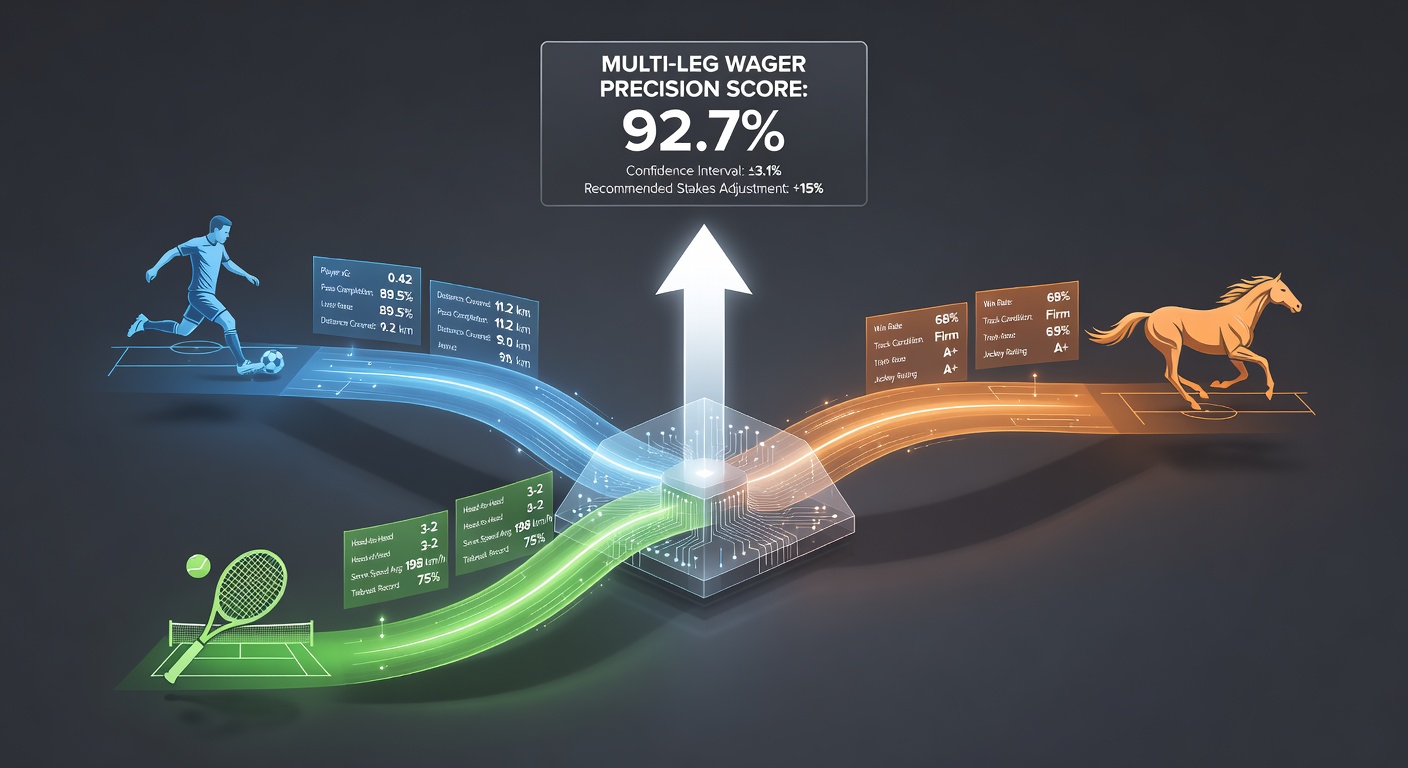
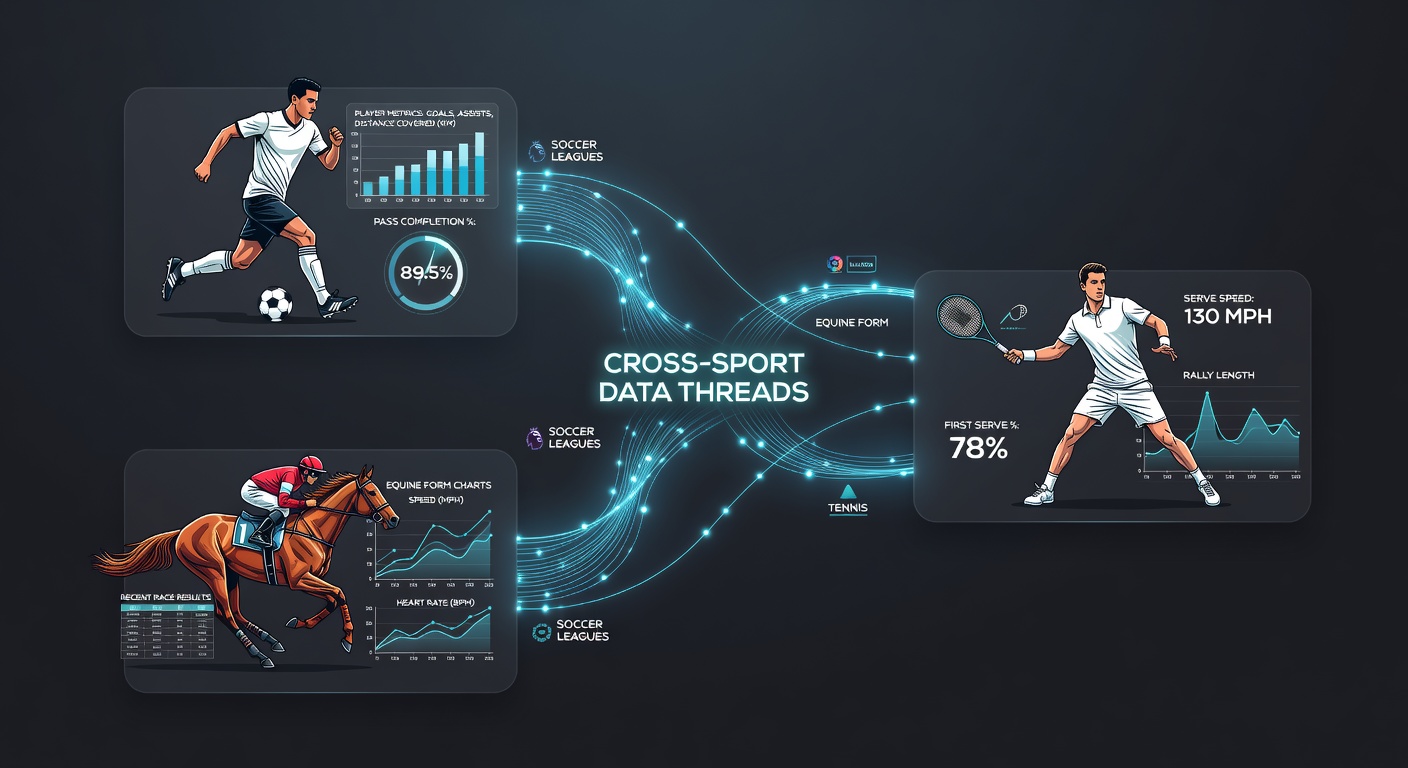
Analysts now combine soccer player metrics with equine form charts and tennis match histories through integrated platforms that pull real-time feeds from multiple leagues and circuits, creating layered datasets that support more precise multi-leg wager construction as of May 2026. These threads identify overlapping performance indicators such as consistency under pressure, recovery patterns after high-output events, and surface or condition adaptations that appear across the three disciplines.
Soccer Metrics as the Foundation Layer
Soccer data supplies volume-based indicators including expected goals, progressive passes, and duel success rates that teams track across domestic leagues and European competitions; researchers have mapped these figures against historical outputs to flag players who maintain output levels even when fixtures cluster tightly. When these patterns align with equine speed ratings from recent outings or tennis first-serve percentages in best-of-five sets, the combined profile helps isolate selections that fit accumulator structures spanning different sports.
Equine Form Charts Add Contextual Depth
Equine records contribute granular variables such as sectional times, weight carried adjustments, and track bias responses that racing analysts compile from meetings worldwide. Observers note that horses showing strong late-section splits on firm ground often parallel soccer forwards who increase sprint frequency in the final third of matches, while tennis players who sustain rally tolerance after long exchanges display similar endurance markers. Platforms now cross-reference these equine elements with soccer and tennis databases to adjust stake allocations within multi-leg bets when condition-related signals converge.
Tennis Match Histories Complete the Thread
Tennis histories deliver point-construction statistics, return-game conversion rates, and tie-break performance splits that governing bodies and data providers archive season after season. These metrics reveal how competitors handle extended rallies or recover from early-set deficits, patterns that echo both soccer players managing high pressing phases and racehorses navigating tight turns on undulating courses. Integration tools flag instances where a tennis player's improved second-serve win rate coincides with upward trends in the other two sports, tightening probability estimates for accumulator legs.
Platform Integration and Real-Time Refinement
Commercial and research platforms have expanded API connections that merge these three data streams into unified dashboards, allowing users to query joint performance thresholds rather than isolated sport metrics. According to the European Gaming and Betting Association, several operators introduced such cross-discipline filters during 2025, and adoption continued through spring 2026. The approach reduces reliance on single-sport variance by weighting legs according to shared fatigue or adaptation signals, which in turn narrows the range of outcomes considered probable for the full accumulator.
Case examples include selections where a soccer midfielder's progressive carry numbers rise in tandem with a horse's improved finishing speed on similar rest intervals, and a tennis player's elevated return points won after back-to-back five-set matches. Algorithms assign composite scores that reflect these alignments, prompting adjustments to stake distribution or leg ordering within the multi-leg structure.
Academic and Industry Validation Efforts
Research groups at institutions across North America and Australia have begun publishing joint studies that test the predictive value of these threaded datasets against standalone sport models. The Australian Gambling Research Centre released preliminary findings in early 2026 showing modest lifts in hit rates when models incorporated at least two of the three sport categories. These studies focus on measurable correlations rather than guarantees, emphasizing that the value emerges from volume of aligned indicators rather than any single standout statistic.
Operators apply the same principle when updating pre-match and in-play accumulator builders, inserting filters that surface only those combinations where soccer, equine, and tennis metrics meet predefined overlap criteria. The result appears in tighter odds ranges and more consistent placement of legs across the three disciplines.
Conclusion
Cross-sport data threads now function as a practical refinement layer for multi-leg wager construction by connecting soccer player metrics, equine form charts, and tennis match histories into shared analytical frameworks. The approach relies on documented performance patterns that recur across disciplines, supported by expanding platform capabilities and ongoing academic review through 2026. Observers continue to track how these integrations evolve as additional data sources and validation studies become available.