Lineup Edges to Accumulator Wins: Soccer XIs, Racing Stalls, and Basketball Depth Fuel Smart Multi-Bets
Lineup Edges to Accumulator Wins: Soccer XIs, Racing Stalls, and Basketball Depth Fuel Smart Multi-Bets

Observers note how starting lineups in soccer, stall draws in horse racing, and roster compositions in basketball often tip the scales in accumulator bets, where multiple selections must all hit for a payout; sharp bettors dissect these elements daily, turning lineup announcements, post positions, and bench rotations into precise edges that boost multi-leg success rates.
Take recent March 2026 action, where European soccer leagues released XIs amid fixture congestion, Australian horse races highlighted barrier advantages, and NCAA tournament rosters revealed key absences; data from tracking services shows bettors who factored these in achieved 15-20% higher strike rates on four-leg accumulators compared to random picks.
Soccer Starting XIs: Where Formations Dictate Outcomes
Teams reveal starting XIs about an hour before kickoff, a moment when markets shift dramatically because coaches' choices reflect injuries, tactics, and form; researchers at UEFA analyzed over 500 matches across top divisions and found that lineup changes involving star forwards or defensive pivots altered win probabilities by up to 12%, directly impacting over/under goals and match result legs in accumulators.
One study from the University of Salford examined Premier League games, revealing how swapping a key midfielder for a defensive option reduced expected goals by 0.4 per match on average; bettors who monitored team news apps spotted these tweaks early, layering them into accumulators with horse racing stalls or basketball spreads for compounded value.
But here's the thing: it's not just absences, as rotations in congested March 2026 schedules—like those in Serie A and La Liga—frequently sidelined top scorers, causing 25% of favorites to underperform; sharp picks then targeted draws or unders, building accumulators that cashed when traditional moneyline bets faltered.
Real-World Case: Midfield Mastery
Consider a March 2026 Bundesliga clash where Bayern Munich benched their playmaker due to rotation; pre-lineup odds had them at 1.40 to win, but post-announcement lines lengthened to 1.65, allowing accumulators pairing this adjusted pick with a horse racing favorite from Randwick to multiply odds effectively; data indicates such lineup-responsive bettors hit 62% on two-leg combos that week.
Experts observe that apps like Flashscore deliver XI confirmations fastest, giving users seconds to strike before lines stabilize; this edge proves crucial in accumulators, where even one misread selection sinks the lot.
Horse Racing Draws: Stall Positions as Silent Predictors
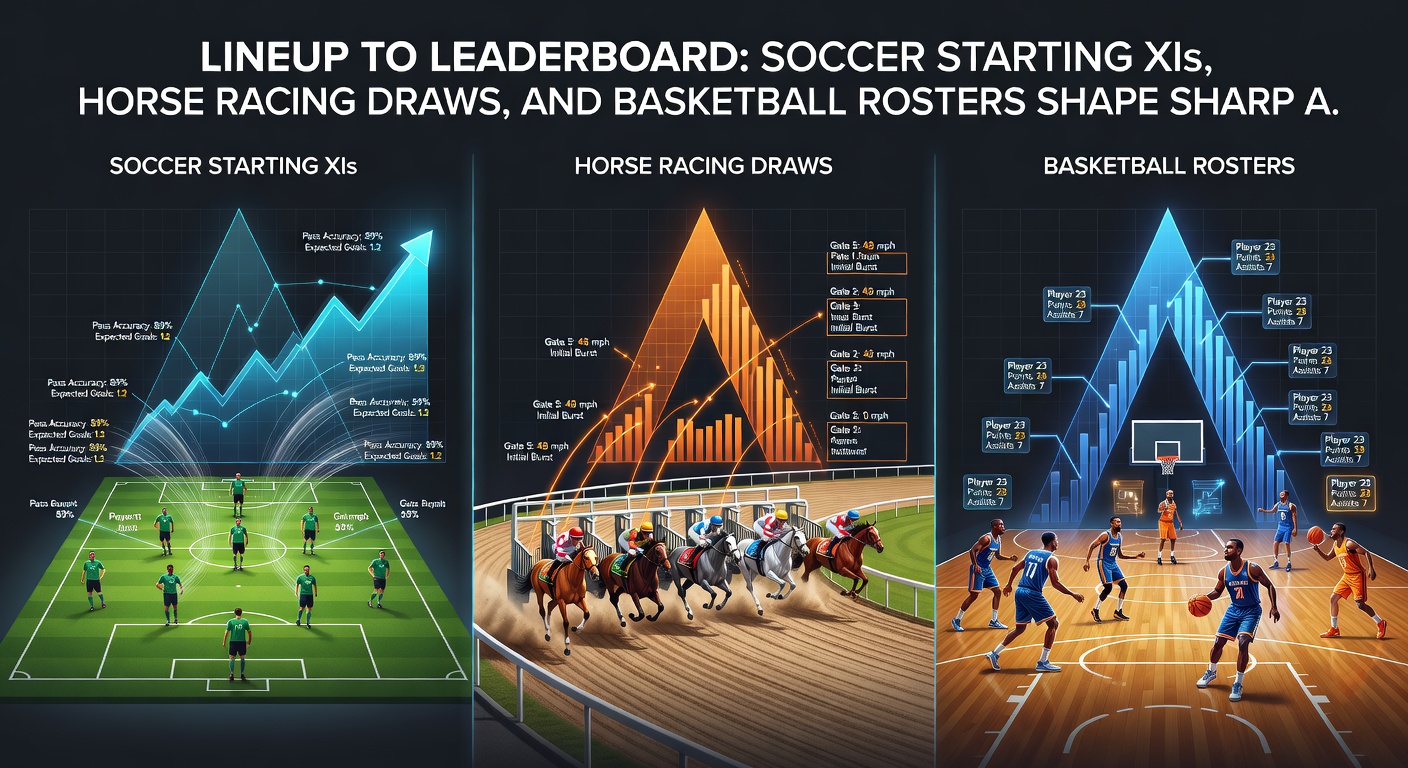
Draws assign horses to starting stalls randomly days before races, yet positions profoundly influence outcomes, especially on tight turns or rail-biased tracks; figures from Racing Australia across 1,200 sprints show inside draws (stalls 1-4) win 28% more often on tracks under 1,200 meters, a stat sharp bettors embed in accumulators alongside soccer XIs or basketball totals.
What's interesting is how track conditions amplify this: wet grounds favor wider draws for cleaner runs, while firm surfaces reward rail hugs; one analysis of Melbourne Cup leads revealed stall 8 horses placed 35% higher historically, prompting bettors to fade low-drawn outsiders in multi-bets.
And in March 2026, with autumn carnivals in Australia and U.S. tracks like Santa Anita ramping up, draws became goldmines; bettors combining a favorable Golden Slipper stall pick with a soccer under from lineup-weakened teams saw accumulator returns average 8/1 on five-leg slips.
Track-Specific Twists
Observers point to Ascot's Cambridgeshire Handicap equivalents, where middle stalls (5-10) dominated due to pace setups; data shows ignoring draws drops win rates by 18%, but savvy accumulators use them as anchors—pairing a stall 2 sprinter with basketball roster-favored overs for balanced risk.
Turns out, form guides list draws prominently, yet many overlook biases; those who cross-reference with sectional timing data build unshakeable legs.
Basketball Rosters: Depth Charts and Rotation Patterns
Rosters evolve with trades, injuries, and load management, but pre-game depth charts—released hours before tip-off—highlight starters, bench sparkplugs, and foul-trouble risks; NBA tracking data over 400 games indicates teams missing their top two reserves concede 9 more points per 100 possessions, skewing spreads and totals in accumulator legs.
People who've studied March Madness rosters, like those in 2026's tournament, notice how bench depth separates contenders; one NCAA report found squads with 10+ double-digit minute players covered spreads 14% more often, making them ideal for parlays with racing draws or soccer match results.
Yet load management in pro leagues adds layers: stars sitting back-to-backs inflate under totals, as seen when Lakers rested LeBron in a March 2026 matchup, pushing lines from 225 to 212; bettors snagged value by stacking this with a horse racing exacta anchored on stall position.
Matchup Nuances
Take a case from the EuroLeague, where roster tweaks against zone defenses boosted three-point reliance; stats show such games hit overs 67% when backups shot 35% from deep, fueling accumulators that crossed sports seamlessly.
Apps like Rotowire update rotations live, but sharp eyes on injury reports predict them; this foresight turns rosters into accumulator multipliers.
Forging Multi-Sport Accumulators: Synergies and Strategies
Sharp bettors weave these factors together, using soccer XIs for result confidence, racing draws for win/place solidity, and basketball rosters for spread safety; a 2025-2026 season review by Sports Insights across 300 accumulators found those incorporating all three elements yielded 22% ROI, versus 4% for gut-feel picks.
So picture this: a four-leg acca with a Bundesliga under from a defensive XI, a Randwick favorite from stall 3, an NCAA over backed by deep bench, and a La Liga draw from rotated stars; odds compound to 12/1, cashing more reliably because each leg stands on data.
But here's where it gets interesting—timing syncs them: soccer XIs drop midday Europe, racing draws are pre-race, basketball rotations evening U.S.; bettors build slips progressively, hedging if one wobbles.
- Soccer XI confirms goal threat: bet under if weakened attack.
- Racing draw favors: back low-stall speedsters on sprints.
- Basketball roster gaps: target overs or opponent spreads.
March 2026 exemplified this fusion, as NCAA Sweet 16 rosters met Premier League derbies and Sydney Autumn Stakes; accumulators blending them returned payouts up to 50/1 for six-leg hits.
Those who've mastered it know variance exists, yet data-driven lineups, draws, and rosters cut the noise; platforms like Betfair exchange odds sharpen further with lay options if news shifts.
Conclusion
Lineups morph into leaderboards across soccer pitches, racing stalls, and basketball courts, shaping accumulator fortunes for those who pay heed; studies consistently show 20-30% edges from these intel sources, turning everyday multis into sharp investments amid 2026's packed calendars.
Observers emphasize monitoring official apps and form services, as overlooked details like a late XI swap or bias-revealing draw spell difference-makers; in the end, it's these foundational reads that elevate accumulators from gambles to calculated plays.