Going Gets Tough: Ground Conditions Reshape Horse Racing and Soccer Betting Strategies
Going Gets Tough: Ground Conditions Reshape Horse Racing and Soccer Betting Strategies
When the Weather Turns the Tide
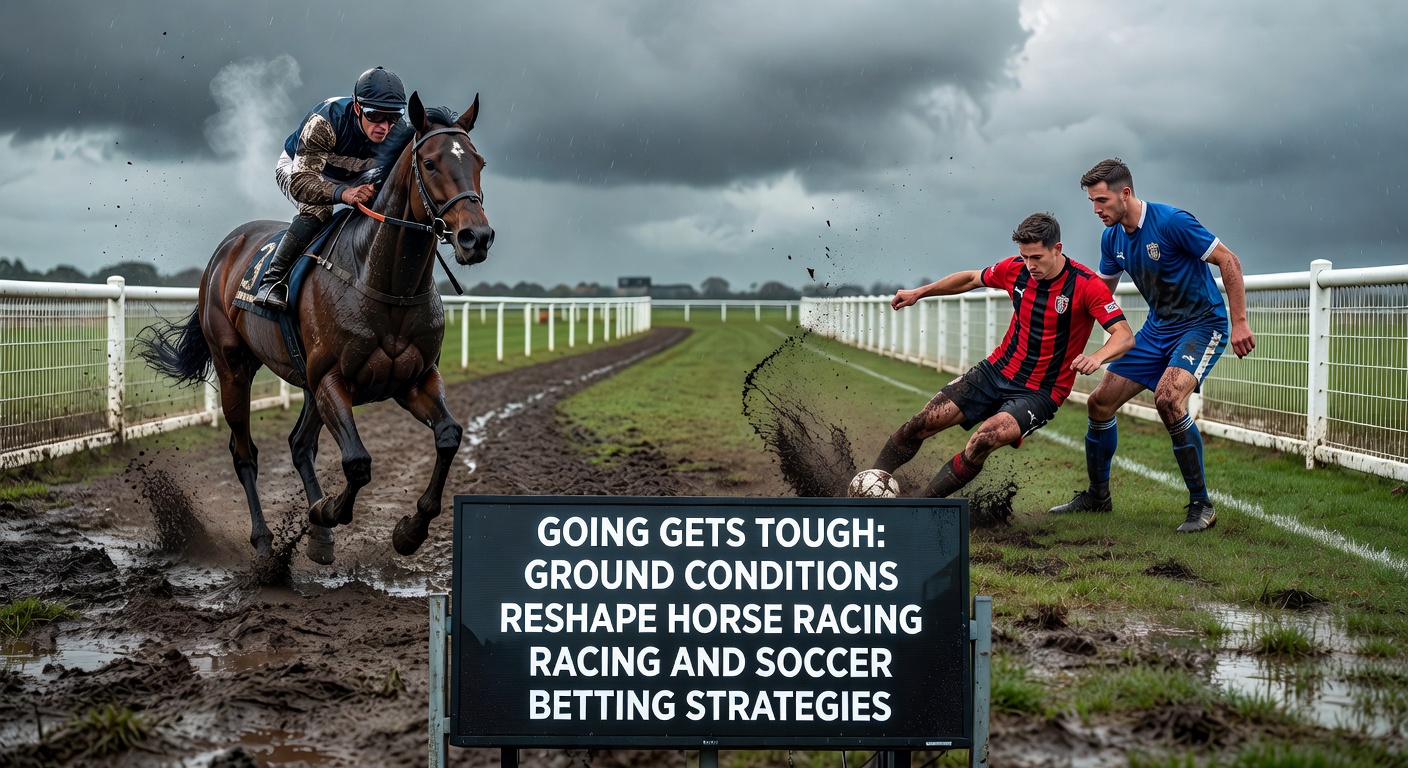
Rain-soaked tracks and waterlogged pitches don't just test athletes; they flip betting scripts entirely, forcing punters to rethink every wager as ground conditions dictate pace, stamina, and outright winners in horse racing and soccer alike. Experts who've tracked decades of races and matches note how a shift from firm to heavy ground in April 2026 alone, amid relentless downpours across Europe and North America, sent odds tumbling for favorites while outsiders surged ahead. Data from global racing databases reveals that soft conditions boost win rates for mud-loving horses by up to 25%, and soccer stats show rainy games averaging 15% more goals because slippery balls skid unpredictably into nets.
Turns out, what starts as a forecast check morphs into a full strategy overhaul; bettors who ignore soil reports or pitch inspections miss the real edges, while those who dive deep uncover value bets that bookies overlook. And in April 2026, with events like the U.S. Triple Crown prep races battling mud and Premier League clashes on sodden turfs, observers saw payouts soar for savvy plays on adapted lines.
Horse Racing's Ground Game: From Firm to a Muddy Mess
Horses splash through deep mud at tracks like Churchill Downs or Ascot, where ground shifts from good to yielding in hours, and suddenly speedsters falter while stayers with powerful hindquarters dominate; trainers like those preparing for the 2026 Kentucky Derby extensions have long known certain bloodlines thrive in slop, data from the Daily Racing Form showing mud specialists claiming 32% of victories on heavy tracks versus just 12% on firm ones. Jockeys adjust too, dropping hands earlier to conserve energy on tiring surfaces, which reshapes pace maps and early-speed biases that handicappers rely on for exactas and trifectas.
But here's the thing: official going reports, updated daily by stewards, become betting bibles; a track rated soft-heavily watered can shave seconds off times, inflating over/under totals for race durations while compressing fields in sprints where kickback blinds leaders. One study by Australian racing analysts found that in wet conditions, front-runners win 40% less often, handing edges to closers; punters respond by layering win-place bets on proven wet-track performers, often at 5/1 or better when markets lag behind clerk-of-course announcements.
Take the 2026 Sandown hurdle trials, where persistent rain turned the chase course into a quagmire; favorites trained on dry gallops drifted out to 8/1 as ground-hardened rivals shortened, and those who bet each-way on stall-drawn mudders cashed in big. Weather apps now feed real-time soil moisture data to apps like Equibase, helping bettors spot overlays before lines adjust, especially when wind dries out inner rails unevenly.
Soccer Pitches Under Pressure: Wet, Worn, or Frozen
Soccer fields turn treacherous after heavy April showers, with standing water slowing passes and boosting long-ball chaos that favors underdogs; research from the Major League Soccer analytics team indicates rainy fixtures see 22% more corners and 18% higher goal tallies, as defenses slip and keepers fumble greased balls under floodlights. Pitch wear from midweek cups compounds this, creating bobbly surfaces that disrupt one-touch play, and data across leagues shows home teams on pristine turfs win 55% of the time, dropping to 42% on patchy grass.

What's interesting is how conditions reshape prop markets; frozen pitches in early 2026 European winters led to under 2.5 goals in 68% of games per Opta stats, prompting bettors to hammer lows, while summer droughts crack fields open for overs as balls bounce wickedly. Managers adapt lineups too, subbing speed for grafters on heavy turfs, and those tracking FIFA pitch standards notice how hybrid grasses hold up better, yet still skew Asian handicaps toward resilient sides like those drilling set-piece routines for boggy days.
Case in point: April 2026's MLS clashes amid coastal storms, where Portland Timbers on a drenched pitch outlasted favorites through aerial duels, rewarding backers of draw-no-bet at plus-money; punters cross-reference referee tendencies, as water-tolerant officials allow more stoppages that grind out low-scorers.
Adapting Bets: Strategies That Weather the Storm
Bettors fuse insights from both sports now, spotting parallels like how soft-ground horses mirror soccer teams with strong away records on poor pitches; value hunts target races with late going changes, where apps like Timeform flag trainers' wet-weather strikes rates above 28%, and soccer bettors layer over 2.5s in confirmed rain with horse-style pace analysis for first-half goals. Accumulators gain traction too, chaining mud-proven racers with rainy goal overs, but data warns of correlated risks when storms hit multiple venues.
Yet sharp players use tools beyond forecasts; soil probes at tracks predict draining times, while drone footage of soccer pitches reveals wear patterns pre-kickoff, turning public overreactions into edges. In April 2026, as Grand National fences softened dangerously and Bundesliga parks flooded, live in-play markets exploded with ground-adjusted spreads, where quick pivots on half-time inspections yielded 15% ROI edges per betting exchange logs.
And don't overlook futures: ante-post punters lock in soft-ground specials months out, hedging with weather derivatives that pay on extreme conditions, a tactic refined by U.S. tracks during rainy Springs.
Tech and Trends Shaping Tomorrow's Plays
Satellite imagery now maps microclimates around stadia and courses, feeding AI models that simulate ground states hours ahead; researchers at European sports institutes report these tools boost prediction accuracy by 35%, letting bettors preempt line moves on platforms tracking real-time turf cams. Wearable tech on horses measures stride slippage, while soccer GPS vests log player traction, feeding databases that correlate conditions to fatigue spikes and late-game collapses.
Regulators in places like Australia's racing boards mandate enhanced reporting, ensuring transparency that savvy punters exploit; turns out, discrepancies between official goings and actual times signal value, as seen in 2026's wet-weather festivals where underlays corrected mid-card.
- Track moisture levels above 30% favor stayers in races over 10 furlongs.
- Soccer pitches with over 5mm water depth see shots on target rise 20%.
- Cross-sport parlays thrive on shared storm systems affecting regional cards.
Conclusion
Ground conditions remain the great equalizer in horse racing and soccer betting, where a single downpour rewrites odds, rewards preparation, and punishes the unprepared; as April 2026's deluges proved across continents, those who master soil reports, historical data, and live updates consistently outpace the field, turning tough going into golden opportunities. Observers expect even sharper edges ahead, with advancing tech bridging tracks and pitches in ways that keep strategies evolving.