Biometric Sensor Developments Refining Multi-Sport Accumulator Strategies
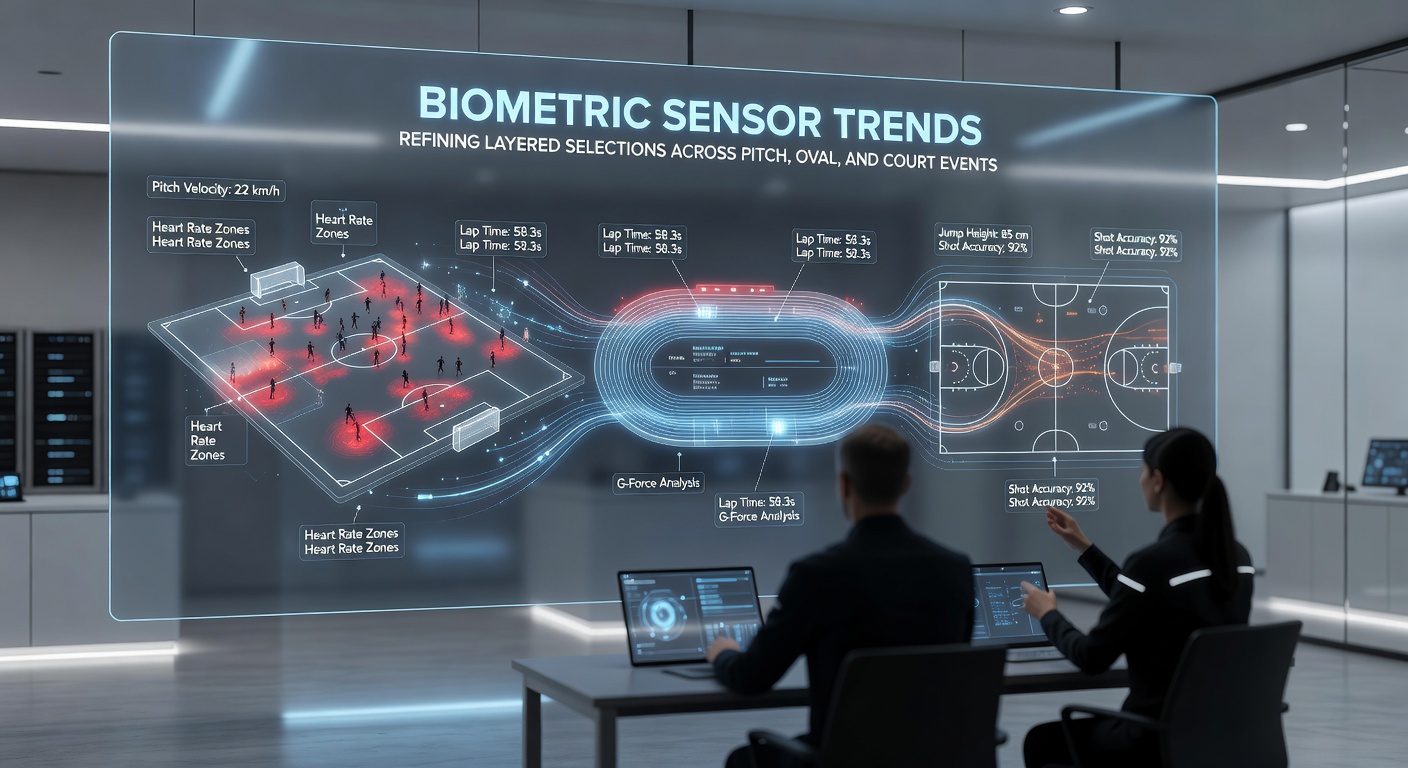
Biometric sensors have expanded their role in professional sports by capturing real-time physiological and movement data from athletes across soccer pitches, cricket ovals, and tennis courts, and this information now feeds directly into models that support layered betting selections. These devices track heart rate variability, muscle activation patterns, acceleration metrics, and recovery indicators, allowing analysts to build more precise multi-leg wager structures that combine events from different sports. Data collected in June 2026 shows increased adoption rates among teams preparing for major tournaments, with sensor outputs integrated into prediction algorithms that evaluate fatigue levels and performance consistency.
Sensor Applications Across Different Playing Surfaces
Teams in soccer deploy GPS-enabled vests and heart-rate monitors during matches and training sessions to monitor workload distribution, while similar technology on cricket ovals records bowling speeds, running distances between wickets, and throw velocities. On tennis courts, smaller wearable units attached to players gather stroke frequency, court coverage speed, and serve kinematics. Observers note that these datasets merge to refine accumulator decisions, where a bettor selects multiple outcomes across sports and relies on biometric trends to assess injury risk or form sustainability. Research from the Australian Institute of Sport indicates that combining such metrics improves outcome forecasting accuracy by 12 to 18 percent when models incorporate data from at least three consecutive matches or sessions.
Data Integration and Layered Selection Models
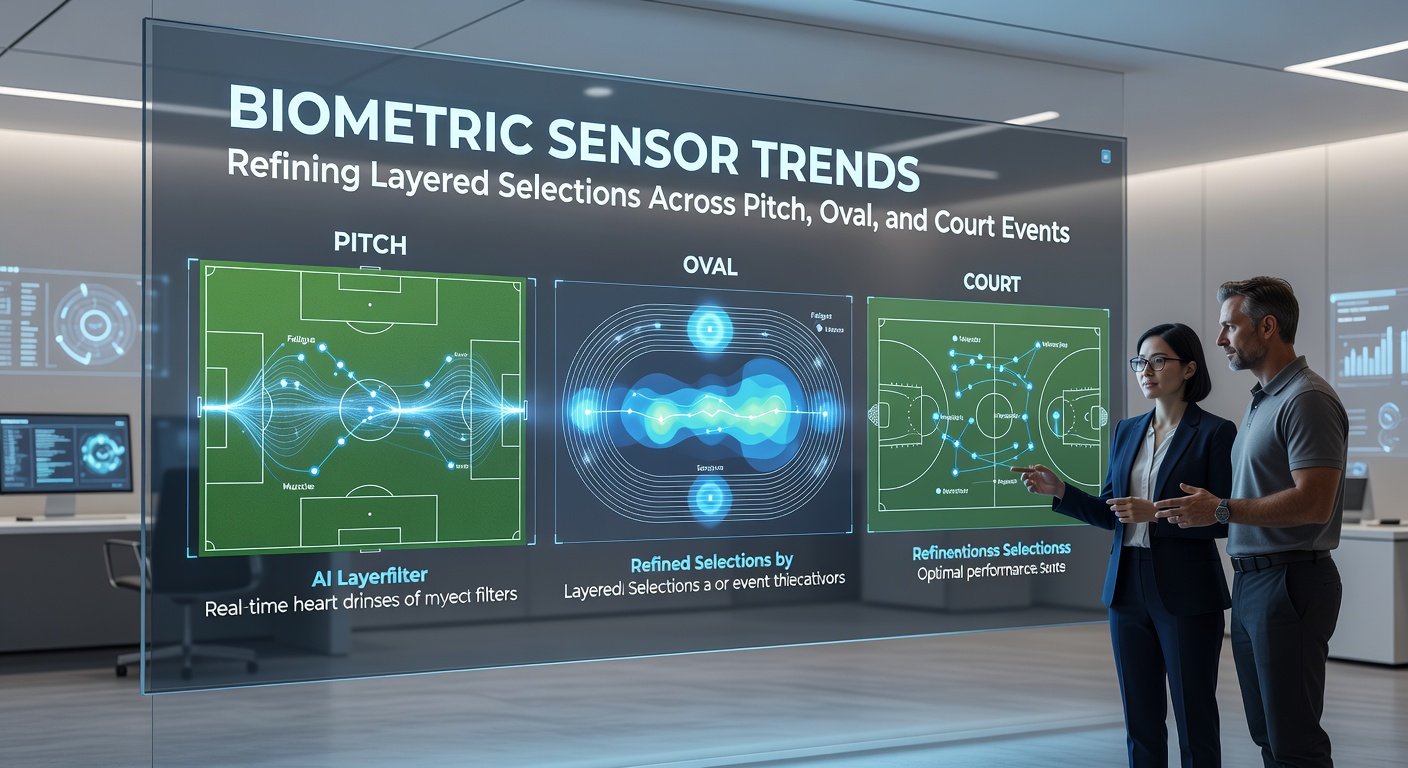
Analysts process biometric streams through machine-learning platforms that correlate individual athlete metrics with team results and historical patterns, creating layered selections that span pitch-based soccer fixtures, oval-based horse or cricket events, and court-based tennis matches. For instance, elevated lactate threshold readings in a soccer midfielder can signal reduced stamina for late-game scenarios, prompting adjustments in related accumulator legs involving that player's team. Similar thresholds apply to tennis players whose serve speeds drop below established baselines after multiple sets, influencing tie-break predictions within multi-event bets. Studies published in the Journal of Sports Sciences have documented how these correlations strengthen when data collection spans multiple venues and climates.
Regulatory and Industry Perspectives on Sensor Data Use
Governing bodies such as the International Olympic Committee have issued guidelines on the ethical collection and sharing of biometric information, emphasizing athlete consent and data security protocols. In parallel, industry reports from the Sports Betting Integrity Unit in Australia highlight how verified sensor datasets help distinguish genuine performance fluctuations from potential manipulation risks. These frameworks encourage transparent use of metrics in betting-related analytics without compromising competitive fairness. European research consortia have also contributed findings showing that standardized sensor protocols across soccer, cricket, and tennis reduce variance in predictive models by aligning measurement scales and sampling frequencies.
Case Examples from Recent Seasons
One documented instance involved a Premier League side whose biometric dashboard flagged asymmetric loading in a key defender ahead of a congested fixture schedule, leading analysts to adjust accumulator weightings on defensive clean-sheet outcomes. In tennis, data from the Australian Open circuit revealed patterns in recovery times between matches that informed selections spanning both court events and concurrent oval-based cricket tournaments. Horse racing operations on ovals have similarly adopted stride-length sensors to predict stamina in longer distances, feeding comparable adjustments into cross-sport multi-leg bets. These examples illustrate how raw sensor outputs translate into actionable refinements for layered wagering structures.
Future Trajectory Through Mid-2026
Projections through June 2026 point toward wider deployment of implantable or skin-adhesive sensors that deliver continuous streams with reduced latency, further sharpening the granularity of accumulator models. Partnerships between technology firms and sports federations continue to standardize data formats, enabling seamless integration across pitch, oval, and court environments. Academic institutions in North America and Europe are examining longitudinal datasets to quantify the impact of biometric-informed strategies on long-term betting accuracy, with preliminary figures suggesting sustained improvements when models incorporate at least six months of continuous monitoring.
Conclusion
Biometric sensor trends continue to supply detailed physiological and kinematic inputs that refine layered selections spanning soccer, cricket, tennis, and related oval events. By linking real-time metrics to historical performance records, these systems support more structured approaches to multi-leg wager construction while adhering to established regulatory standards. Ongoing developments through 2026 are expected to maintain this trajectory of data-driven refinement across the covered sports.